
Original illustration · The Backstory Dept.
A delivery ends. The app goes quiet. What now? The driver is still available, but there is no next destination on the screen. Stay nearby, head toward a busier area, or take a break? Each choice uses something: time, fuel, attention or space.
That ordinary pause carries a bigger question: Where can someone whose workplace is a car wait between jobs? The answer has to work for a person, not just an app.
Drive between jobs? Share your approachA Workplace Without a Waiting Room
A workplace usually has some way of accommodating the time between tasks. Driving-based gig work moves with the assignment. A drop-off can end at a shopping center, a residential street or somewhere unfamiliar. Completing one job does not tell a driver where the next one will begin.
The options sound simple. Stay near the last stop where parking is permitted. Return to a familiar area. Move toward somewhere that seems busy. These are possible strategies, not a claim that every driver follows the same routine.
Staying put avoids another trip. Moving may bring potential requests closer, but getting there takes time and fuel. A bathroom, food, comfort and a real break belong in the calculation, too. A place can make sense on the map without making sense for the person behind the wheel.
Does Moving Mean More Work?
DoorDash's Dasher Support guidance describes Hotspots as areas that are busy with orders or have historically been busy. Positioning closer may increase the chance of receiving orders, it says. The same guidance is explicit: Hotspots do not guarantee orders. Historical indicators use recent data to point toward restaurants that are usually busy at that time.
Uber's delivery earnings page describes an in-app heatmap for identifying high-demand areas. Moving toward busier spots can help couriers get more delivery requests, according to the platform. That is guidance about a possible strategy, not proof that an extra trip will improve every driver's earnings.
A demand signal is useful information. It is not the whole decision. How far away is the area? What will the trip cost? Is there somewhere suitable to wait on arrival? The question is not only whether a place looks busy. It is whether getting there is worthwhile.
What shapes the choice
- Fuel
- What will another trip cost before a new assignment begins?
- Time
- How long does repositioning take, and is a break needed?
- Parking
- Is stopping permitted, practical and comfortable here?
- Demand
- What does the app suggest, and what can that signal actually promise?
The Other Side of Waiting
Then there is the place itself. Posted parking restrictions, property policies, opening hours and local conditions can change what is practical. There is no single rule for every street or business. Being available through an app does not, by itself, give someone permission to park.
A pause between jobs can also look different from outside the car. A driver is waiting for work; someone responsible for a property may not know that. Clear restrictions and a suitable place to stop matter. That difference in perspective does not establish anyone's motive or tell us what happens in a particular encounter.
Can a worker easily identify where stopping is permitted? Are restrictions visible? Does the space suit a short pause, or is another option needed? Those questions make the conditions of the work clearer without treating waiting as automatically suspicious or assuming workers are necessarily mistreated.
Does Everyone Experience Public Space the Same Way?
Research can help frame the broader conversation, provided its limits stay in view. Emma Pierson and colleagues published 'A large-scale analysis of racial disparities in police stops across the United States' in Nature Human Behaviour on May 4, 2020. They analyzed nearly 100 million U.S. traffic stops and reported evidence suggesting racial disparities in stop and search decisions.
Black drivers were less likely to be stopped after sunset, when a driver's race is harder to distinguish. The authors described that pattern as suggesting bias in stop decisions. Their search analysis also found evidence of a lower threshold for searching Black and Hispanic drivers than white drivers.
These are findings about traffic stops, not a study of stationary gig workers. They do not establish what happens to parked couriers, explain an individual encounter or describe delivery and rideshare workers as a group. The study offers limited context for asking how public space is experienced. It is not an answer about these drivers.
Nor should a worker's experience be decided in advance. People may weigh safety, comfort, cost and other considerations differently. Understanding those choices starts with listening, rather than assigning a motive or a single story to everyone doing the work.
What Happens Between Assignments Matters
Between requests, the choices keep coming: where to wait, whether to move, when to rest and how much fuel to use before another assignment. Pay arrangements and local rules vary. Time available on an app should not be treated as having one universal compensation rule.
The reader poll above asks drivers to describe their usual approach. No option is presented as the right one. Responses are voluntary and are not a representative survey of the industry; they cannot tell us why every driver makes a choice or prove what that choice earns.
The pause is easy to miss when work is counted one delivery or ride at a time. Looking at it closely shifts the question from where the app wants a driver to go to where a worker can reasonably be.
A request may supply the next destination. A waiting place still has to be found.
Sources
- [1]Stay busy and earn more with Hotspots — DoorDash Dasher Support
Supports: Hotspots show busy or historically busy areas; DoorDash says they do not guarantee orders.
Verified by our desk · accessed Oct 31, 2026
- [2]Your earnings, explained — Uber
Supports: Delivery heatmap identifies high-demand areas; Uber says moving toward busier spots can help get requests, not a guaranteed individual outcome.
Verified by our desk · accessed Oct 31, 2026
- [3]A large-scale analysis of racial disparities in police stops across the United States — Pierson et al. · Nature Human Behaviour
Supports: 2020 study analyzed nearly 100 million US traffic stops and found evidence suggesting racial disparities in stop/search decisions. Not a study of parked couriers.
Verified by our desk · accessed Oct 31, 2026
More from Culture
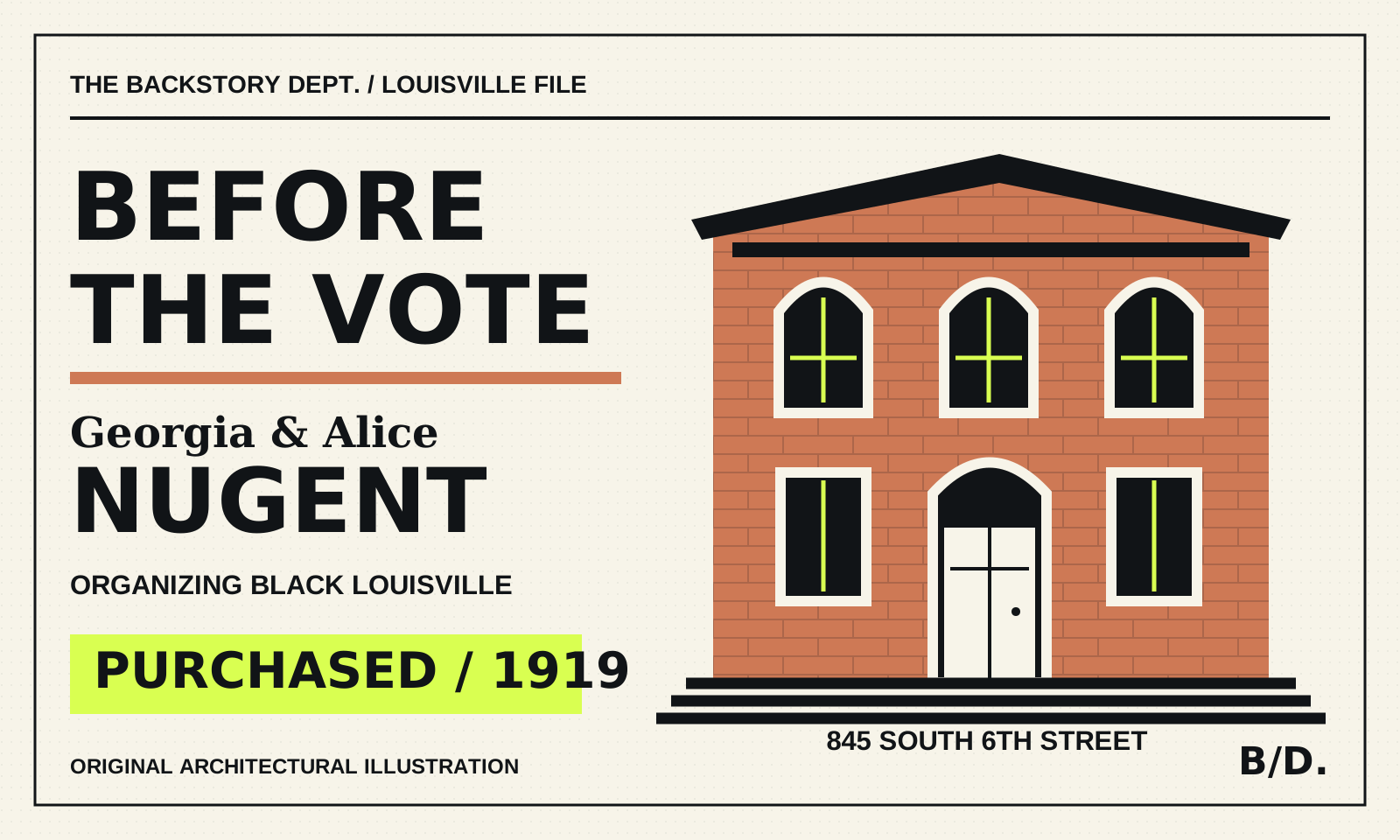
The Sisters Who Organized Black Louisville Before the Vote
Georgia and Alice Nugent helped turn a Louisville home into a meeting place for Black women's organizing, education and voting rights. Their work expanded far beyond one address.
Louisville early voting starts Oct. 29: Find a location near you
Jefferson County voters can cast a ballot October 29–31 at any designated early voting center. Here's when the sites open, where to start looking and what to check before you go.
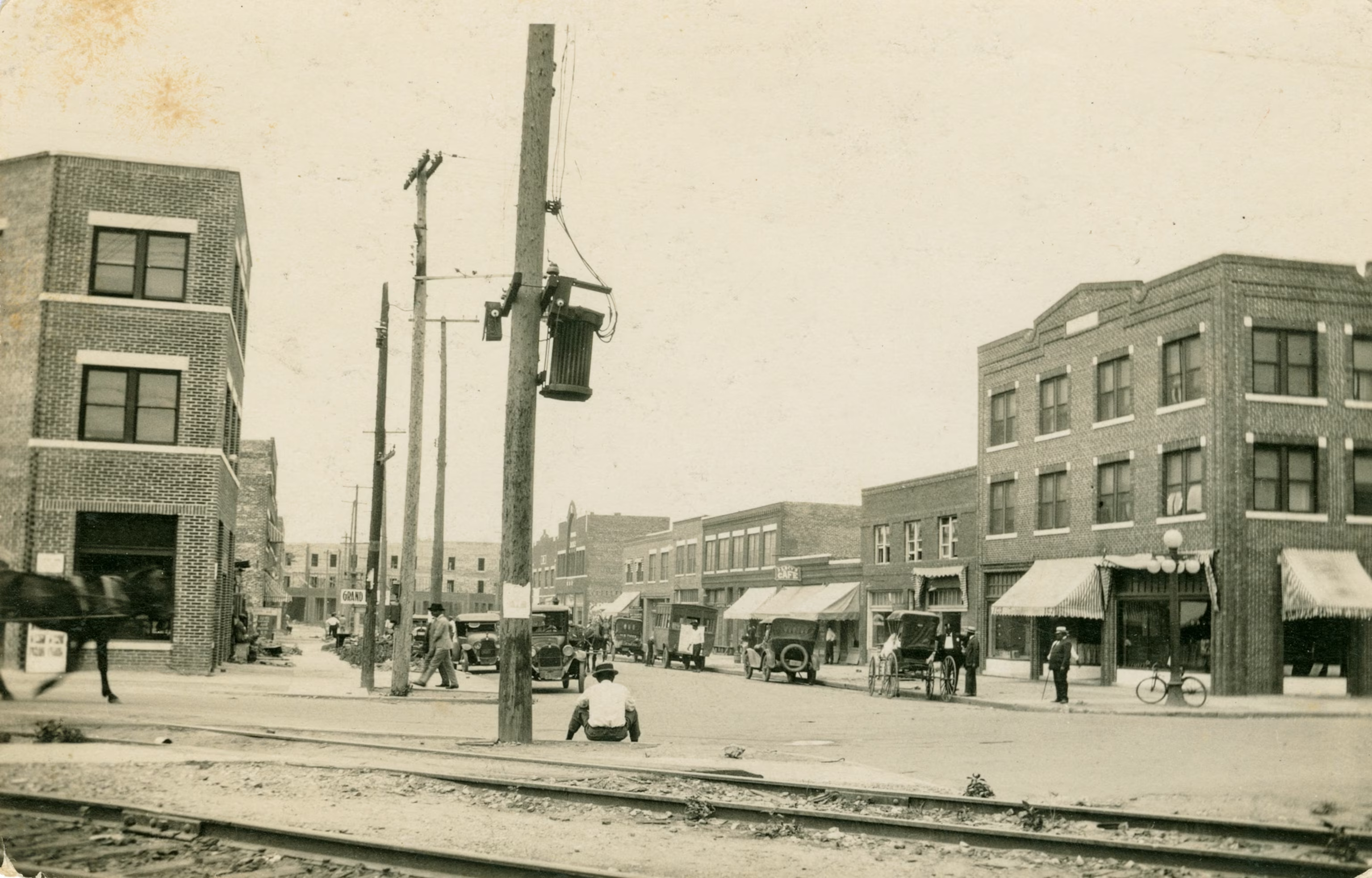
Black Wall Street Didn't End in 1921: How Greenwood Rebuilt
The Tulsa Race Massacre devastated Greenwood in 1921. Residents rebuilt homes, businesses and institutions before later highway and urban renewal projects reshaped the district again.